
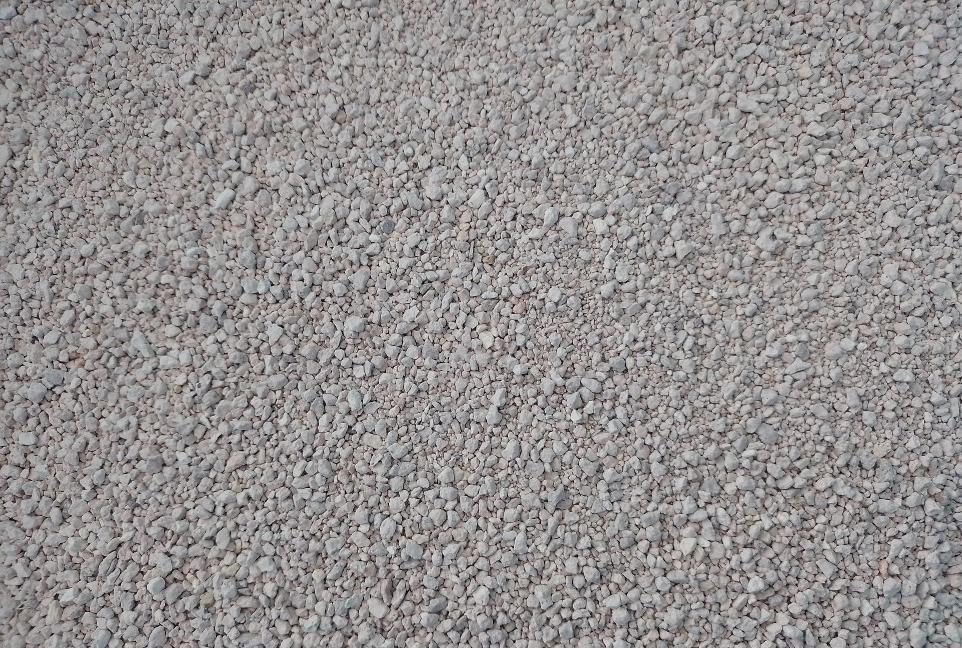
What is bentonite and what is it used for?
Everything you need to know about sodium and calcium bentonite: composition, properties, types and industrial uses.
A volcanic clay with unique properties
Bentonite is a natural clay composed mainly of montmorillonite, a smectite mineral formed from volcanic ash altered over millions of years. It is named after Fort Benton, in the United States, where it was first described.
Its microscopic layered structure lets it absorb water, swell, form gels and adsorb impurities. That is why it is used in well drilling, construction, oil refining, animal feed and cat litter.
- High absorption and adsorption capacity
- Plasticity and binding power
- Forms stable suspensions (thixotropy)
- Natural, inert and abundant mineral
Sodium vs. calcium bentonite
The dominant cation defines how it behaves and therefore its ideal application.
| Property | Sodium bentonite | Calcium bentonite |
|---|---|---|
| Dominant cation | Sodium (Na⁺) | Calcium (Ca²⁺) |
| Swelling in water | Very high; forms gels | Low to moderate |
| Main strength | Sealing, viscosity and binding | Adsorbs impurities and color |
| Typical uses | Drilling, construction, clumping cat litter, animal feed, cosmetics | Oil filtration and bleaching, hydrocarbons, animal feed |
| Bentomex products | Probento 1000, Bentofeed, API grade | Probento C, CXC, CX 60 |
Want to dig deeper? Read our guide sodium vs. calcium bentonite: which to choose.
What is bentonite used for?
Drilling
Drilling mud that suspends cuttings, lubricates the bit and stabilizes the borehole walls.
Construction
Foundations, diaphragm walls, trenches, piling and waterproofing of dams and ponds.
Filtration
Removal of impurities, color and moisture from oils, fuels and hydrocarbons.
Animal feed
Pellet binder and adsorbent in livestock and poultry diets.
Cat litter
Sodium bentonite forms firm clumps on contact with urine, the basis of clumping litter.
Industry
Cosmetics, detergents, plastics, foundry and other manufacturing processes.
200 mesh, 60 mesh and granules
Fineness drives performance. We process bentonite in 200 mesh (fine powder passing a 74 micron sieve) for drilling, filtration and feed; 60 mesh for oil filtration; and 6-30 and 20/30 granules for cat litter.
See products and packaging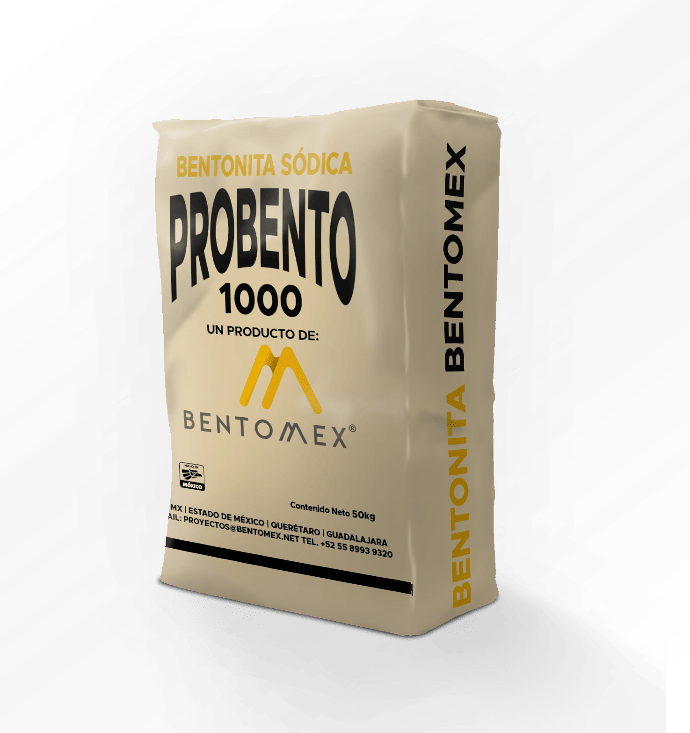
Common questions about bentonite
What is bentonite?
Bentonite is a natural clay made mostly of montmorillonite, a smectite mineral formed from altered volcanic ash. It stands out for its ability to absorb water, swell and adsorb impurities.
What is the difference between sodium and calcium bentonite?
Sodium bentonite has sodium as its main cation: it swells strongly and forms gels, ideal for drilling, sealing and clumping litter. Calcium bentonite has calcium: it swells less but adsorbs very well, ideal for oil filtration and animal feed.
What does 200 mesh mean?
It describes powder fineness: the material passes a No. 200 sieve with 74 micron openings. The higher the mesh number, the finer the product.
Why is bentonite used in drilling?
Mixed with water it forms mud that carries cuttings to the surface, cools and lubricates the bit and builds a filter cake that stabilizes the borehole.
Is bentonite toxic?
Bentonite is a natural mineral used in animal feed and cosmetics in the appropriate grades. As with any fine powder, avoid inhaling it and wear protective equipment when handling it in bulk.
Which bentonite does your process need?
Our technical team helps you choose the right type, mesh and packaging.